

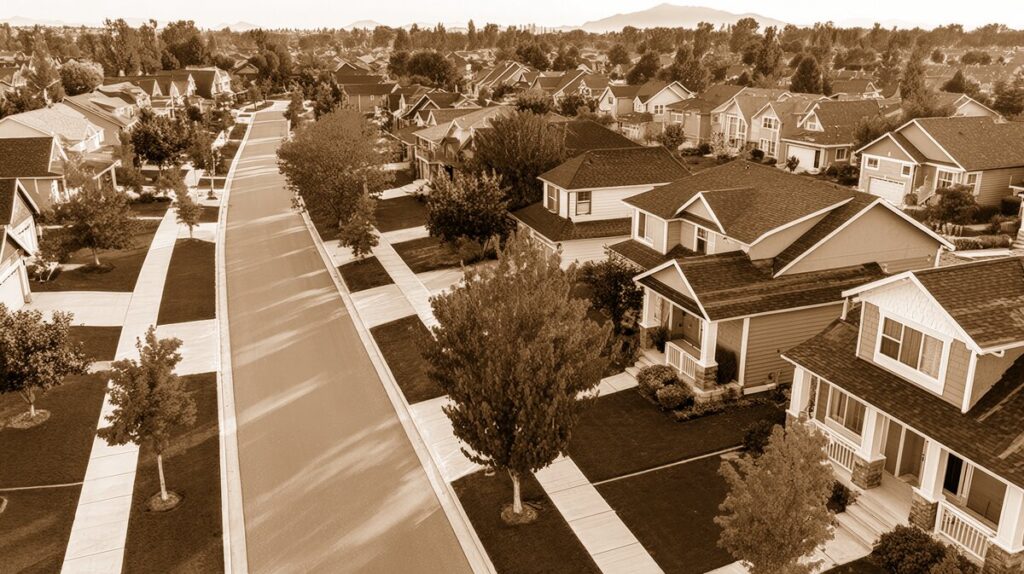
For generations, the Henderson Country Club neighborhood has stood as one of Henderson, North Carolina’s most cherished enclaves. Tucked serenely between Oakwood Avenue and South Chestnut Street, with its heart at the historic golf course, this community has flourished on a foundation of camaraderie, tradition, and Southern beauty. Old oaks shade its winding roads, while gracious homes, storied fairways, and timeless institutions weave a tapestry of local heritage.
Origins: Roots in Southern Leisure and Community
The birth of the Henderson Country Club neighborhood coincides with the founding of the Henderson Country Club itself in 1926. As golf became a growing pastime in the early 20th century, local civic leaders saw an opportunity—not just for recreation, but for creating a desirable community as well.
- The club was originally established on farmland along Parham Street, purchased by a coalition of Henderson businesswomen and men.
- Early homes began springing up in the 1930s and 1940s on adjacent roads such as Country Club Drive, Hillcrest Road, and Willow Drive, designed to offer close proximity to the club’s scenic greens and social gatherings.
- The neighborhood quickly attracted families and professionals looking for a sense of belonging.
Naming the Community: More Than a Golf Course
The neighborhood derives its identity from its proximity and connection to the Henderson Country Club. But over time, the “Country Club” name came to reflect more than golf and tennis—it came to symbolize a lifestyle centered around fellowship and tradition.
- Throughout the mid-20th century, the club served as a hub for holiday events, weddings, and community celebrations that marked the seasons and milestones of local families.
- The neighborhood itself developed a reputation for neighborly warmth, drawing inspiration from the welcoming spirit of the club’s members.
Key Historical Milestones
The evolution of the Henderson Country Club neighborhood has been punctuated by memorable moments that shaped its distinctive character.
- The Great Depression and World War II: Despite the hardships, the Country Club and neighborhood held together—war bond drives and Red Cross events were common sights at the clubhouse.
- Postwar Growth (1950s-1970s): This era brought a boom in new construction, with ranch-style and colonial homes gracing new cul-de-sacs on Greenbriar Street, Pinecrest Drive, and Golfview Road. Young families, drawn by local schools and the promise of porch-front living, enriched the community’s vibrancy.
- Civil Rights and Integration Era: The Country Club and neighborhood reflected broader societal changes, opening its doors and wider streets to a more diverse array of families and local leaders.
Notable Landmarks and Institutions
Few neighborhoods in Vance County offer as impressive a collection of landmarks as Henderson Country Club.
- Henderson Country Club: At its center, the club boasts a classic 18-hole golf course, designed and refined over the years. The white-columned main clubhouse, overlooking the first tee, remains a beloved venue for gatherings.
- Mary Henderson Elementary School: Located just north of the club on Charles Street, this school has educated generations of local children, fostering a deep sense of community pride.
- Oakwood Park: Tucked along Willow Drive, Oakwood Park is a green haven where families picnic and children play under towering pines.
- Historic Club Homes: Stately homes from the 1930s and ‘40s, especially those along Country Club Drive and Ivy Circle, stand as elegant reminders of the neighborhood’s long history.
Streets, Styles, and the Shape of Change
The architecture of the Henderson Country Club neighborhood is a point of pride for residents and visitors alike. Walking along its tree-lined streets, there’s a pleasing blend of:
- Classic brick colonials on Hillcrest Road
- Charming Craftsman bungalows on Willow Drive
- Spacious mid-century ranch homes along Parham Street
Gardens are lush and lovingly maintained, with azaleas, magnolias, and boxwoods adding splendor throughout the spring and summer. Sidewalks invite evening strolls, and neighbors are apt to wave or stop for a friendly chat.
Community Spirit: Yesterday and Today
Perhaps what most distinguishes the Henderson Country Club neighborhood is the enduring spirit of inclusion and friendship. Block parties, book clubs, and volunteer initiatives bind residents together across generations.
- Annual 4th of July parades regularly wind down Country Club Drive, adorned with flags and laughter.
- Charity tournaments at the Country Club bring together golfers and non-golfers in a spirit of giving back to Vance County.
Over the years, long-standing families have welcomed new arrivals, including retirees, young professionals, and families eager to build their own memories in this special part of Henderson.
Evolution and Preservation
While new construction and renovation have brought change, there’s a deep respect for the past in the Henderson Country Club neighborhood. Preservation efforts—both official and informal—ensure that heritage homes retain their charm, and that newer developments fit with the area’s well-loved character.
- Many homes have been thoughtfully updated, balancing modern comfort with classic features like hardwood floors, crown molding, and broad welcoming porches.
- The continued vitality of the Henderson Country Club helps ensure the neighborhood’s future, drawing new residents who value history as much as hospitality.
Why the Henderson Country Club Neighborhood Remains Special
For longtime residents and newcomers alike, living in the Henderson Country Club neighborhood means enjoying the best of Southern tradition—warm welcomes, beautiful homes, and shared celebrations. Rooted in almost a century of history, yet always growing, this community offers a sense of place that is both rare and deeply cherished.
A stroll through Henderson Country Club—pausing to take in the elegant homes, the laughter drifting from a backyard barbecue, or the echo of footsteps on the golf course at twilight—reminds one that some neighborhoods are special, not just because of where they are, but because of who has called them home.